
Choosing what to wear to a funeral is a delicate balance between respect, tradition, and personal expression. A funeral is not simply a social event—it is a solemn moment to honor someone’s life, to support grieving loved ones, and to reflect collective empathy through gestures, words, and even attire. While customs vary across cultures and religions, there are shared principles that guide how people should dress appropriately for a funeral. From the color palette to fabric choice, from cultural conventions to modern etiquette, understanding what to wear helps ensure that your appearance communicates dignity and compassion during one of life’s most emotionally charged moments.
Why does funeral attire matter?
The way one dresses for a funeral is more than a matter of fashion; it conveys emotional awareness and social respect. Clothing acts as a silent form of communication, expressing mourning, humility, and solidarity with the bereaved family. Traditionally, black clothing has symbolized grief and sobriety in Western cultures since the Roman Empire, and this convention has persisted through centuries. The choice of dark colors such as navy, charcoal, or deep brown allows attendees to remain understated, keeping the focus on remembrance rather than appearance. At the same time, proper attire helps establish a sense of unity among attendees, showing shared reverence for the deceased. The significance of dress becomes particularly evident in multicultural or interfaith ceremonies, where the correct outfit demonstrates not only respect for the individual but also sensitivity toward the customs of their community. Dressing inappropriately—whether too casually or flamboyantly—can appear dismissive or even offensive, breaking the decorum of the moment.
What are the general expectations for funeral attire?
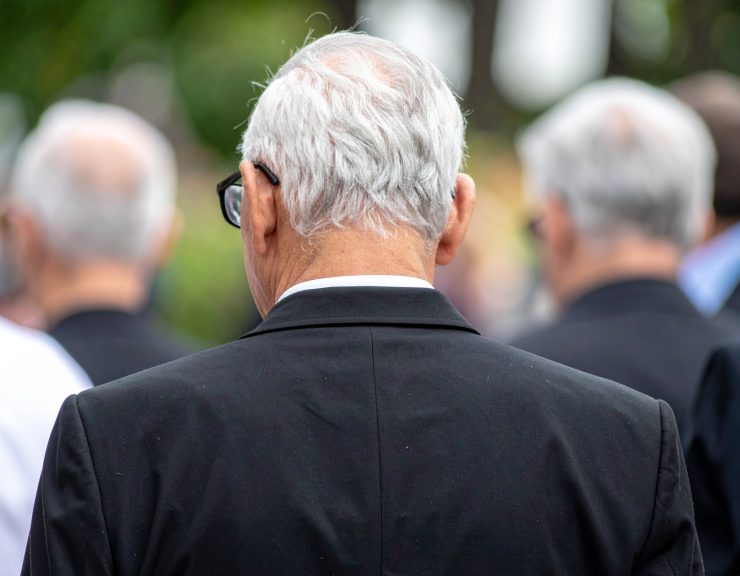
In most Western traditions, formal and conservative clothing remains the standard for funerals. For men, this typically means a dark suit or dress trousers with a subdued shirt and tie, ideally in colors such as black, gray, or navy. Women often wear modest dresses, skirts, or tailored pants with neutral tones, avoiding excessive patterns or bright hues. However, the key lies less in strict formality than in subtlety and restraint. The goal is to reflect empathy and solemnity rather than draw attention. Footwear should also be discreet and comfortable, as many funerals involve standing for extended periods or outdoor burial services. Accessories, when used, are meant to complement rather than distract—muted jewelry, minimal makeup, and simple hairstyles maintain the tone of respect. Modern etiquette has softened somewhat, allowing small personal touches that reflect the deceased’s personality or the family’s wishes, but the principle of modesty endures. Ultimately, funeral fashion is an expression of shared humanity; it reminds mourners that their presence is about support, not self-display.
How do cultural and religious traditions influence what to wear?
The appropriate funeral dress code differs widely depending on cultural and religious traditions, making awareness essential. In Western Christian services, black remains customary, though some families request attendees to wear the deceased’s favorite color or lighter tones to celebrate their life. In contrast, many Asian cultures associate white with mourning—particularly in Chinese, Korean, and Indian traditions—where attendees often wear plain, unadorned white garments. In Hindu funerals, simplicity is valued, and mourners typically avoid synthetic fabrics, favoring cotton as a symbol of purity. Jewish funerals emphasize modesty, with dark clothing and covered heads for men as a sign of reverence. In Islamic customs, both men and women are expected to dress modestly; women often wear headscarves and loose-fitting clothes in muted tones. Even within these broad frameworks, families may adopt specific requests, such as “no black” ceremonies designed to celebrate the person’s life with color. Understanding and respecting these traditions is fundamental, as it shows genuine consideration for the family’s beliefs and cultural values. In today’s increasingly multicultural world, taking the time to learn and adhere to these customs demonstrates cross-cultural sensitivity and empathy.
What should you wear to a modern or non-traditional funeral?
Funeral traditions have evolved alongside changes in society, and what one wears often depends on the tone set by the family and the nature of the ceremony. A modern funeral or “celebration of life” may invite guests to dress less formally, perhaps even encouraging colors or casual elegance to reflect the deceased’s joyful spirit. Outdoor memorials, cremation services, or eco-friendly burials might call for practical yet respectful attire—something comfortable but still subdued. In such contexts, muted colors like beige, soft gray, or navy can replace the traditional black without diminishing the tone of reverence. When the family provides a dress code, it is best to follow their guidance precisely, whether that means wearing a specific color or avoiding formal wear altogether. Yet even at relaxed gatherings, the essence of appropriate funeral attire remains unchanged: it should always be clean, conservative, and free of bold statements. The purpose of one’s clothing is not to stand out but to contribute quietly to the collective atmosphere of remembrance.
How does gender and generational perspective affect funeral attire?
Expectations regarding funeral clothing have broadened with social change and generational diversity. Younger generations often interpret “respectful” dress more flexibly, blending formality with comfort. For example, a dark sweater and trousers may replace a traditional suit, or a simple dress without embellishment may serve instead of full mourning attire. Women, once confined to veils and black dresses, now express their respect through understated contemporary fashion—often prioritizing modesty over strict adherence to old customs. Men, meanwhile, continue to favor dark suits but may adjust to warmer climates or casual ceremonies with more relaxed outfits. Beyond gender, the evolution of identity and inclusivity has encouraged sensitivity toward how people of different backgrounds and orientations choose to express mourning. The overarching guideline remains universal: clothing should communicate sincerity and reverence. Whether through a tailored black outfit, an elegant muted dress, or a traditional garment reflecting cultural heritage, the intent is to align one’s appearance with the tone of the ceremony and the memory of the deceased.
What are the small details that make a difference?
Beyond color and formality, details in funeral attire play a significant role in maintaining decorum. Fabrics such as wool, cotton, or linen are often preferred over flashy materials like satin or sequins, as they convey simplicity. The fit of clothing should allow comfort while maintaining neatness—overly tight or revealing garments can appear inappropriate in a somber context. Accessories, though small, must be chosen with care. A watch, a discreet brooch, or a subtle pair of earrings can complement the outfit without drawing attention. The same principle applies to fragrances; a light scent, if any, is preferable to avoid overwhelming others in close spaces. For outdoor services, appropriate weather-related additions like coats or umbrellas should match the subdued tone. The concept of respectful mourning attire extends to posture, demeanor, and overall presence: appearing composed, attentive, and empathetic is as crucial as what one wears. Every detail contributes to an environment of comfort and dignity, where clothing becomes a part of the shared ritual of remembrance.
Why does choosing the right outfit reflect more than just etiquette?
Selecting what to wear to a funeral is an act of emotional intelligence as much as social etiquette. Clothing, in this setting, functions as a nonverbal gesture of compassion—a way to express solidarity with those in grief and to pay tribute to the life that has ended. It shows mindfulness of tradition, sensitivity to the environment, and awareness of the symbolic weight that attire carries in collective mourning. When everyone dresses with intention and restraint, the ceremony gains coherence and serenity, allowing emotions to take precedence over appearances. Even as modern society embraces diversity in dress and cultural expression, the core values of empathy, humility, and respect remain unchanged. The clothes we wear to a funeral tell others that we recognize the gravity of loss and share in the moment of remembrance, not as individuals seeking notice, but as members of a community bound by shared humanity.